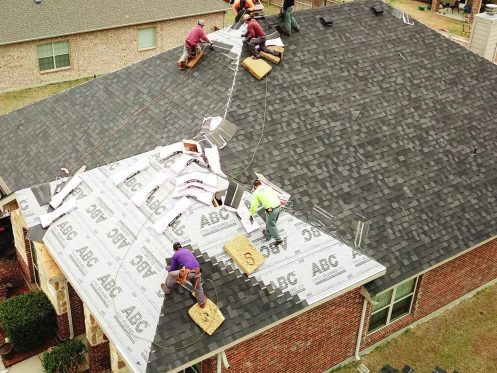
Replacing a roof is a major home improvement project that can protect your property for decades, but the timeline varies widely based on several key factors. Understanding what affects the duration of roof replacement helps homeowners set realistic expectations and plan effectively for minimal disruption.
In this comprehensive guide, we’ll explore the primary influences on how long a roof replacement takes, drawing from extensive industry experience and practical insights. Whether you’re dealing with an aging asphalt shingle roof or considering a durable metal upgrade, knowing these elements ensures you choose the right approach for your needs. For professional guidance on Nationwide Contracting LLC’s expert roof replacement services, explore their trusted solutions.
Why Roof Replacement Timelines Matter
A typical roof replacement for an average-sized home takes 1 to 3 days under ideal conditions, but this can extend to a week or more depending on circumstances. Delays not only prolong exposure to the elements but can also increase costs and inconvenience. Timely completion prevents further interior damage, maintains structural integrity, and restores your home’s curb appeal quickly. Factors like material choice and weather play outsized roles, and experienced contractors account for these to deliver efficient results.
Over years of handling diverse projects, we’ve seen timelines shrink with proper preparation and extend due to unforeseen issues. This guide breaks down each factor in detail, providing actionable advice to optimize your project duration.
1. Weather Conditions: The Biggest Variable
Weather is often the most unpredictable factor affecting roof replacement duration. Rain, high winds, extreme heat, or cold can halt work entirely for safety reasons. Roofing materials must be installed dry to ensure proper adhesion and longevity; wet conditions lead to compromised seals and future leaks.
For instance, during rainy seasons, crews may need to pause, adding days to the schedule. In hot weather, asphalt shingles become soft and hard to handle, slowing installation. Conversely, mild, dry conditions allow for rapid progress. Historical data shows projects scheduled in optimal seasons complete up to 50% faster. Planning around forecasts is crucial—experienced teams monitor weather closely and have contingency plans.
Moreover, humidity affects curing times for certain materials like sealants. In high-humidity environments, drying can take longer, extending the final walkthrough. Homeowners should aim for spring or fall starts when conditions are generally favorable, avoiding peak storm periods. This strategic timing can shave significant time off the overall duration.
2. Roofing Materials: Installation Time and Complexity
The type of roofing material profoundly impacts project length due to differences in weight, handling, and installation methods. Asphalt shingles, the most common choice, install quickly in 1-2 days for standard roofs because they are lightweight and overlap easily. Their affordability and 15-30 year lifespan make them ideal for fast turnarounds.
Metal roofs, prized for 40-70 year durability, require 3-5 days. Panels demand precise measurements, cutting, and secure fastening to withstand wind and weather. Tile roofs, whether concrete or clay, take 5-9 days due to their heaviness—each tile must be individually placed and secured, often needing reinforced structures.
Slate, a premium option lasting 75+ years, extends timelines to 6-7 days for natural varieties or 3-5 for synthetics, involving specialized tools and techniques. Flat roofs using membranes might finish in 2-3 days but require seamless application to prevent pooling. Wood shakes add 3-4 days, needing careful alignment to avoid gaps.
Customization, like colored or textured options, adds lead time for manufacturing and delivery—up to two weeks. Choosing readily available materials accelerates the process. Always weigh longevity against speed; faster installs don’t always mean better long-term value.
3. Roof Size and Square Footage
Larger roofs naturally demand more time. Contractors measure in squares (100 square feet), and an average home roof is 17-20 squares, replaceable in 1-2 days. A 30+ square roof could take 3-5 days just for tear-off and installation.
Size directly correlates with labor hours: more material to remove, dispose of, and replace. Bigger projects require more crew coordination, staging areas for supplies, and multiple days of dumpster use. For expansive properties, phased approaches might be used, but this rarely shortens total time.
Precise pre-project measurements via drone or ladder surveys help estimate accurately. Oversized roofs benefit from larger crews, but logistics like material delivery can bottleneck progress. Understanding your roof’s footprint early aids in budgeting time realistically.
4. Roof Complexity and Steepness
Roof complexity—including pitch, valleys, dormers, chimneys, skylights, and multiple levels—multiplies effort. Steep roofs (over 6:12 pitch) slow work due to safety harnesses, specialized equipment, and cautious movement, potentially doubling time compared to low-slope designs.
Intricate features demand custom flashing, underlayment, and detailing to prevent leaks. A simple gable roof finishes faster than a hip roof with hips and ridges. Multiple chimneys or solar panels require careful removal and reinstallation, adding hours per element.
Accessibility compounds this: overhanging trees, tight lots, or multi-story heights hinder material hoisting and debris removal. Complex roofs often need scaffolding, extending setup time. Experienced teams use these challenges to showcase expertise, ensuring quality isn’t sacrificed for speed.
5. Extent of Damage and Structural Issues
Hidden problems uncovered during tear-off can dramatically extend timelines. Minor shingle damage allows quick overlays, but severe issues like rot, water intrusion, or compromised decking halt progress for repairs.
Roof deck replacement—common in older homes—adds 1-3 days. Rafter reinforcement or ventilation upgrades further delay installation. Age plays a role: roofs over 20 years often reveal wear, prolonging projects by addressing underlying integrity first.
Prior maintenance helps; well-kept roofs transition smoothly. Inspections pre-project identify issues early, allowing scoped bids. Budgeting for surprises prevents mid-project shocks.
6. Permits, Regulations, and Contractor Availability
Local building codes require permits for replacements, taking 1-7 days for approval. Complex materials or historic properties extend this. Delays here push back starts.
Contractor schedules fill quickly in peak seasons; booking ahead secures slots. Larger crews speed work, but availability varies. Reputable firms like those offering comprehensive roof replacement solutions prioritize efficiency.
Communication streamlines everything—clear scopes avoid changes. Disposal regulations for old materials add logistics time, especially with volume.
7. Crew Experience and Project Management
Skilled crews with streamlined processes complete jobs faster. Inexperienced teams fumble materials, leading to waste and rework. Proper tools, like pneumatic nailers for shingles or lifts for tiles, boost efficiency.
Project management—daily checklists, weather buffers, and phased staging—minimizes downtime. For more on proven approaches, check Nationwide Contracting LLC’s roofing services.
8. Additional Factors: Disposal, Prep, and Customization
Old roof disposal requires sorting, loading, and hauling—half a day for small jobs, full days for large. Site prep like clearing gutters or protecting landscaping adds time.
Custom features like integrated gutters or vents extend installation. Ventilation retrofits during replacement optimize future performance without separate projects.
Tips to Minimize Roof Replacement Duration
To shorten timelines:
- Schedule in dry seasons.
- Choose quick-install materials like asphalt.
- Get pre-inspections.
- Select experienced contractors.
- Prepare your site.
- Secure permits early.
These steps can reduce a 5-day job to 2.
Common Misconceptions About Roof Replacement Time
Many assume all replacements take a weekend—false for complex jobs. Overlays save time but aren’t always viable. Rushing leads to poor quality; patience ensures durability.
Conclusion
Mastering factors like weather, materials, size, and damage empowers informed decisions for efficient roof replacement. By planning ahead, you safeguard your investment and home. Contact pros for tailored timelines.
Frequently Asked Questions
How long does a standard asphalt shingle roof replacement take?
A standard asphalt shingle roof replacement typically takes 1-2 days for an average-sized home of about 1,700-2,000 square feet. This assumes good weather, no major structural issues, and an experienced crew of 4-6 workers. The process includes tear-off (4-6 hours), deck inspection and repairs (2-4 hours), underlayment and ice dam protection (1-2 hours), and shingle installation (6-8 hours). Asphalt’s lightweight nature and simple nailing pattern allow rapid progress. However, larger roofs or steep pitches can extend this to 3 days. Proper staging with nail guns and lifts shaves hours. Always factor in a buffer for weather or discoveries like soft decking, which might add a day for plywood replacement. Choosing 3-tab over architectural shingles speeds things slightly, though the latter offers better wind resistance. Pre-scheduling dumpster services ensures smooth debris removal, preventing bottlenecks. Homeowners report minimal disruption with these timelines, returning to normal quickly. For optimal results, pair with attic ventilation upgrades during the job.
What role does roof size play in replacement duration?
Roof size, measured in squares (100 sq ft), directly dictates labor and time. A small 10-square roof might finish in half a day, while a 25-square one requires 2 full days. Larger surfaces mean more material handling: tear-off generates tons of debris needing multiple hauls. Crews scale up for big jobs, but logistics like ladder placement and supply runs slow pace. Complex shapes within large footprints compound time—think multiple valleys or hips. Accurate measurements via software or drones prevent surprises; underestimating adds days. For expansive roofs, contractors divide into sections, but overlaps extend totals. Heavier materials amplify size impacts; tile on large areas demands cranes, adding setup. Homeowners with big roofs benefit from phased bids including all factors. Real projects show 20% time increase per extra 10 squares. Preparing ample staging space accelerates flow, minimizing idle time.
Can weather really delay a roof replacement by days?
Yes, weather frequently delays roof replacements by 1-5 days or more. Rain prevents safe work and proper sealing—wet shingles won’t bond, risking bubbles and leaks. Forecasts guide scheduling, but sudden storms pause operations. High winds scatter materials, while extreme heat (>95°F) softens asphalt, slowing nailing. Cold below 40°F hampers adhesive cures. Optimal windows are dry spells with temps 50-80°F. Delays compound: paused days mean rescheduling crews amid busy calendars. Humidity prolongs sealant drying by 24-48 hours. Proactive teams tarp exposed areas and use fans, but safety trumps speed. Historical patterns favor spring/fall; summer thunderstorms or winter ice extend averages by 30%. Insured roofs post-storm face backlogs. Homeowners mitigate by flexible dates and indoor prep like furniture protection. Understanding this variability sets realistic goals.
How does the type of roofing material affect timeline?
Different materials vary timelines from 1 day (asphalt) to 9 days (concrete tile). Asphalt shingles install fast via overlap and nails. Metal needs precise panel alignment and screws—3-5 days. Tiles require individual securing and underframing—5-7 days due to weight (lifting equipment essential). Slate demands specialty cuts—6-7 days. Flat membrane roofs roll out in 2-3 days but need heat-welding. Factors like panel size or interlocking systems tweak times. Custom orders add 1-2 weeks delivery. Durability trade-offs: quick asphalt lasts 20 years; enduring metal 50+. Crew familiarity matters—metal experts halve times. Disposal varies too; heavier tiles need specialized haulers. Selecting based on climate and budget balances speed and value.
What if underlying damage is found during replacement?
Discovering damage like rot or deck deterioration pauses installation for repairs, adding 1-4 days. Tear-off reveals issues in 20-30% of jobs, especially older roofs. Soft plywood gets replaced sectionally or fully; rafter sistering strengthens framing. Costs rise, but skipping risks collapse. Pros document findings with photos for transparency. Ventilation or insulation fixes integrate here. Delays allow thorough fixes, enhancing new roof performance. Pre-inspections catch 70% early via infrared scans. Budget 10-20% contingency. Post-repair, installation resumes seamlessly.
Do permits significantly impact roof replacement time?
Permits add 3-10 days upfront, varying by code strictness. Applications detail materials, waste plans, and engineer stamps for steep/complex roofs. Reviews ensure compliance with wind/fire ratings. Delays occur from incomplete submissions. Pros handle 90% seamlessly via portals. Historic or commercial jobs extend further. Once approved, work starts promptly. Factor into total project lead time—rushed permits risk denials. Digital systems speed modern processes to 48 hours in some areas.
How does roof pitch or steepness influence duration?
Steep pitches (>6:12) increase time 25-50% via safety gear like harnesses and slower movement. Low-slope (flat) allows ground-fed tools. Steep jobs need roof brackets, jacks, extending setup. Fall risks demand breaks. Valley complexity on pitches adds flashing time. Experienced steep-roof crews use trusses efficiently. Drones aid steep inspections. Overall, pitch transforms 2-day jobs to 4.
What preparation steps shorten replacement time?
Site prep trims 4-8 hours: clear yard/gutters, trim trees, relocate satellites/AC units. Indoor protection via plastic sheeting. Schedule utilities off. Provide power/water access. Early dumpster placement. These enable day-one starts, reducing overtime. Coordinated homeowners see 15% faster completions.
How many workers are needed for a quick replacement?
4-6 for standard homes (1-2 days); 8-12 for large/complex. More hands parallelize tear-off/install. But overcrowding causes traffic. Skilled teams optimize: 2 on tear-off, 3 installing, 1 flashing. Scaling matches scope.
Is there a best time of year for roof replacement?
Spring/fall ideal—mild weather, low rain risk. Avoid summer heat/storms, winter ice. Off-peak scheduling cuts wait times 50%. Early booking secures slots.